Introduction
Academic narrative building is the process of presenting ideas in a clear, logical, and connected manner. It helps readers understand how different points relate to the main topic and creates a smooth flow throughout a document.
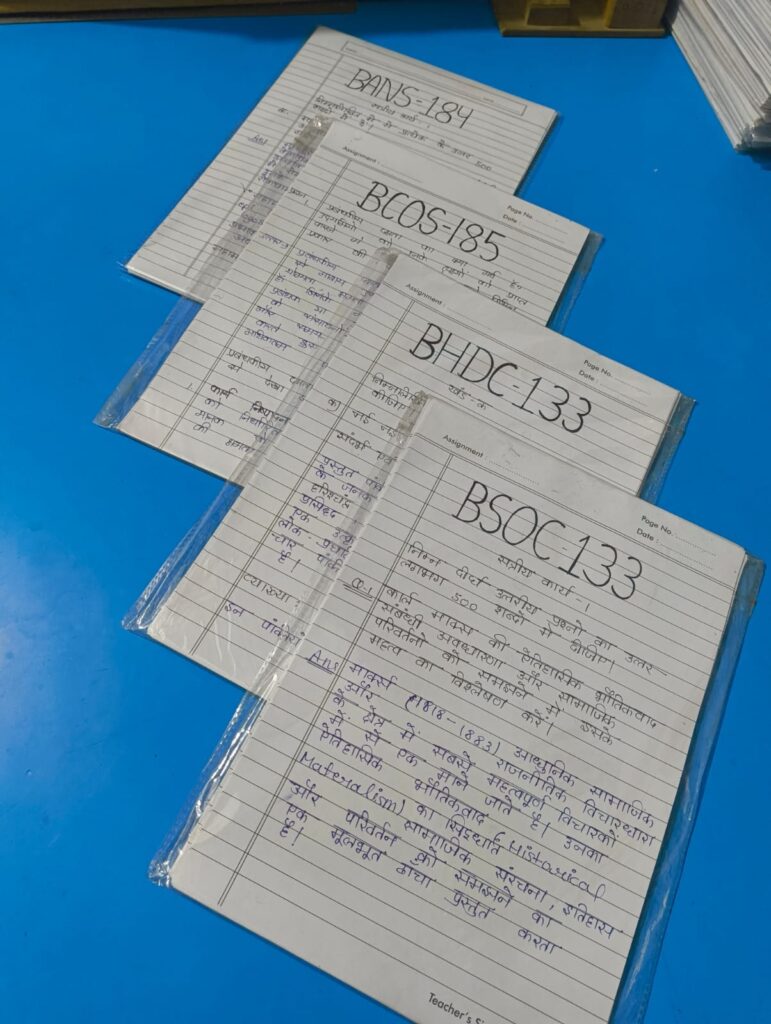
Key Elements
An effective academic narrative generally includes:
- Introduction: Introduces the topic and its purpose.
- Main Discussion: Develops the important ideas in a logical order.
- Supporting Information: Uses relevant examples, evidence, or sources.
- Transitions: Connects one idea or section with another.
- Conclusion: Brings the main discussion together.
Building a Logical Flow
A good narrative should move naturally from one idea to the next. Each paragraph should contribute to the overall topic, while headings and transitions help readers follow the discussion.
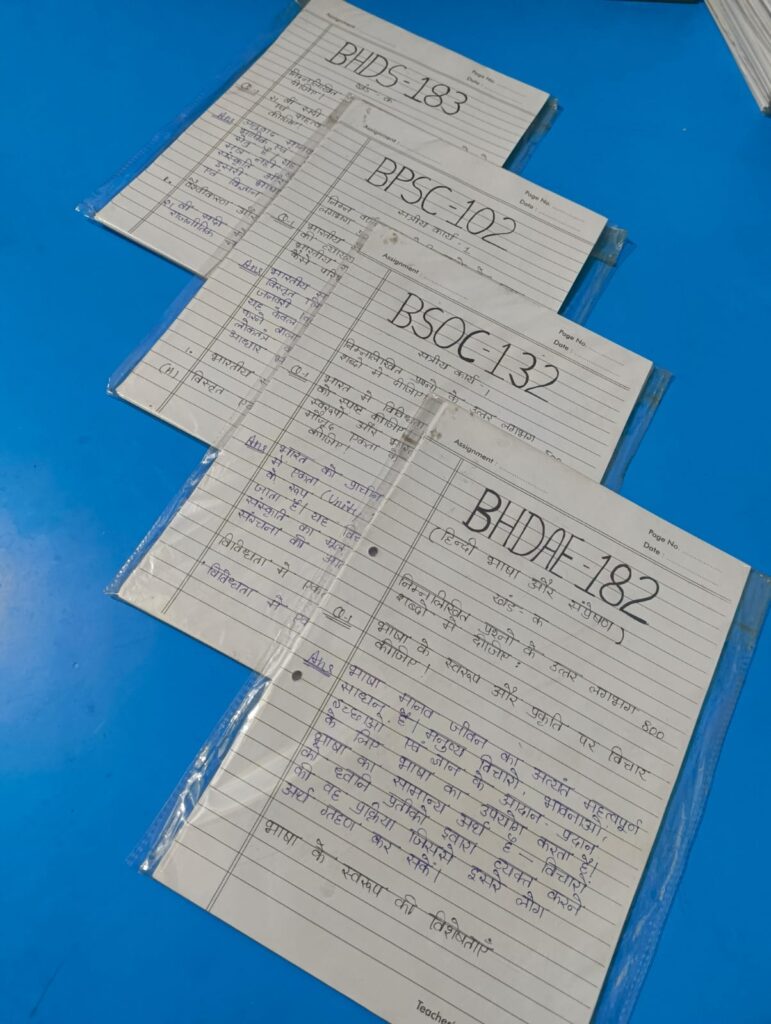
Useful Tips
- Begin with a clear introduction.
- Arrange ideas in a logical sequence.
- Keep each paragraph focused on one main idea.
- Use transitions between related points.
- Support important statements with appropriate sources where required.
- End with a conclusion that connects with the main discussion.
Conclusion
Academic narrative building helps transform individual ideas into a clear, organized, and meaningful discussion. A logical structure, smooth transitions, and relevant supporting information make a document easier to understand and more effective for the reader.
Disclaimer
Disclaimer: This blog is intended for general educational and informational purposes. The structure of an academic narrative may vary depending on the subject, document type, and applicable institutional guidelines.